ILHA FORMOSA
福爾摩沙
第一個發現的人
不知道將它繪在航海圖的那個位置
它是徘徊北回歸線的島嶼
擁有最困惑的歷史與最衰弱的人民
劉克襄《漂鳥的故鄉》,1984年
第一個發現的人
不知道將它繪在航海圖的那個位置
它是徘徊北回歸線的島嶼
擁有最困惑的歷史與最衰弱的人民
劉克襄《漂鳥的故鄉》,1984年
(Translation)
*Ilha Formosa
Upon discovery of the island
The Portuguese sailors were puzzled:
Where to locate it on the navigation charts?
Upon discovery of the island
The Portuguese sailors were puzzled:
Where to locate it on the navigation charts?
The island
Wavers over the Tropic of Cancer
Involved in the most intriguing and intricate history, and
Populated with the frailest and weakest people
By Liu Ke-hsiang, Homeland of Migatory Birds, 1984
Translated by Jiang, 2006
Wavers over the Tropic of Cancer
Involved in the most intriguing and intricate history, and
Populated with the frailest and weakest people
By Liu Ke-hsiang, Homeland of Migatory Birds, 1984
Translated by Jiang, 2006
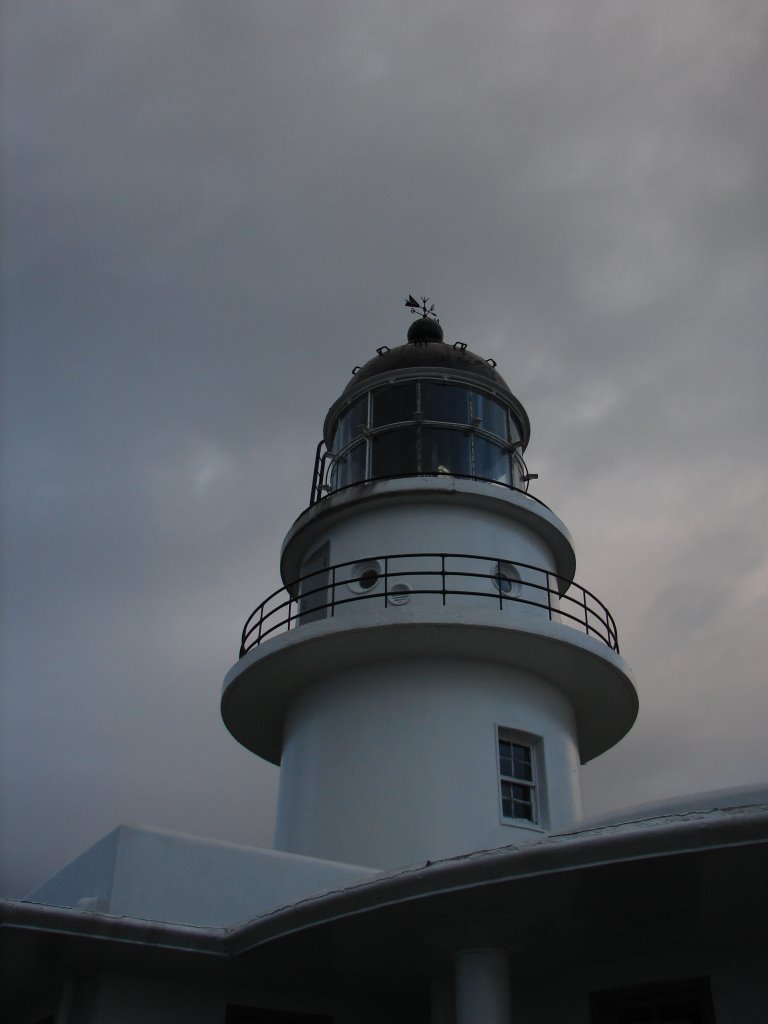
On the last day of 2005, I went to the Santiago Lighthouse with some friends. Instead of joining hundreds of thousands of people for the kooky new year's eve countdown in Taipei 101 square, we had a bar-b-que party there to celebrate the coming year. Santiago, pronounced as San-Diao-Gah in Taiwanese language, is a cape situated at the easternmost of the Taiwan island, about a two-hour drive away from Taipei. When we reached the lighthouse, it was midnight, and everything's so dark -- except the illuminated tower -- so quiet and silent -- except the whistling wind, roaring waves, and rustling grass -- so peaceful, and, from a Taiwanese perspective, so exotic -- exactly because of the "casa blanca" (the house painted in white) and the cape's name given by Spanish explorers in the 17th century. The ambiance then was reminiscent of the Chinese poem, Ilha Formosa, written by Liu Ke-hsiang, which I translate into English as above.
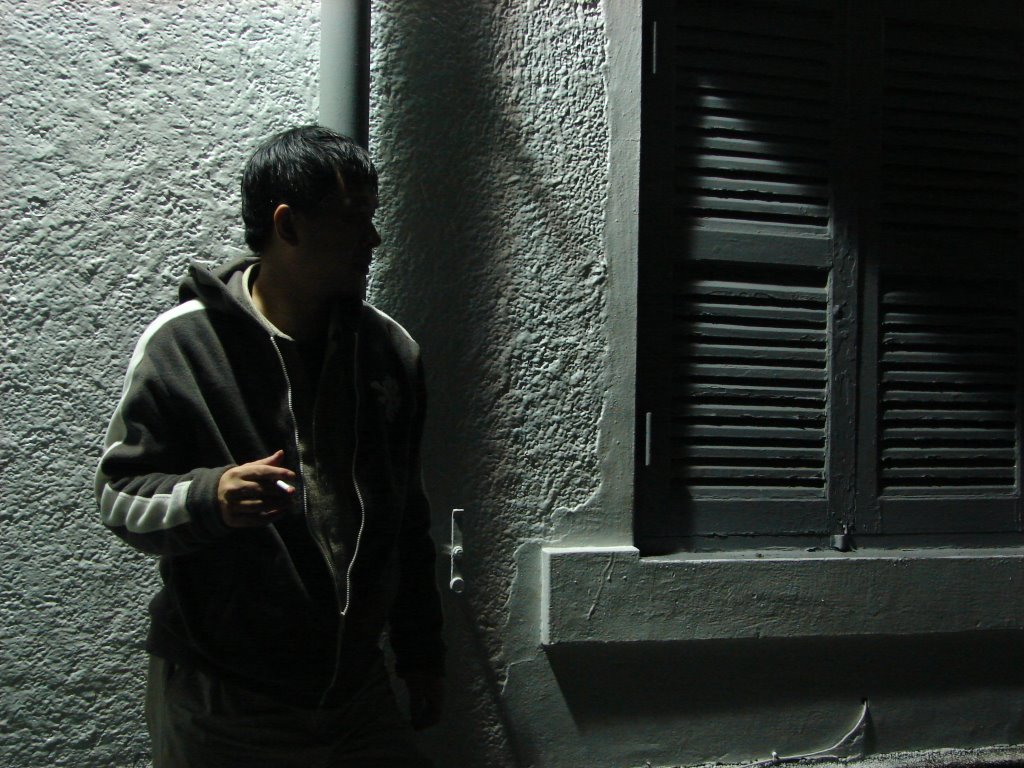
I read this poem for the first time in 1986 when I was a university student in NCCU (National Cheng-Chi University). For Taiwan that was still a martial law era under Chiang's rule; any publication involving politics or history, particularly any writing in connection with the 228 incident, would be confiscated subject to censorship. In contrast, Liu's little poem book Homeland of Migratory Birds with underlying political implications, like a lighthouse in the dark, allowed us to find a way out of our perplexity in our younger days.
*The Portuguese found Taiwan in 1544 and gave it a name "Ilha Formosa" -- the beautiful island. And then came the Spaniards who called it "la isla Hermosa". The Spanish explorers named the cape as San Diego in 1626 and, in the same year, Spanish armada seized Keelung harbor, twenty kilometers from Santiago. Sixteen years later (1644) the Spaniards were expelled from the island by the Dutch, and then came Chinese, Japanese, and then Chinese again...
*The Portuguese found Taiwan in 1544 and gave it a name "Ilha Formosa" -- the beautiful island. And then came the Spaniards who called it "la isla Hermosa". The Spanish explorers named the cape as San Diego in 1626 and, in the same year, Spanish armada seized Keelung harbor, twenty kilometers from Santiago. Sixteen years later (1644) the Spaniards were expelled from the island by the Dutch, and then came Chinese, Japanese, and then Chinese again...
posted by The 1960s at 9:51 AM




0 Comments:
Post a Comment
<< Home